A practical playbook for quieter trails without waking up at 4 a.m.
If you hike within 90 minutes of Seattle, crowds are inevitable — unless you change how you approach hiking altogether.
Most people optimize for the same variables: weekends, peak season, early mornings, famous trails. That creates predictable congestion. This article is about flipping that script.
These are the strategies I actually use to avoid crowds — not by chasing obscure destinations, but by making smarter decisions about when, how, and why I hike.
1. Hike on weekdays whenever possible
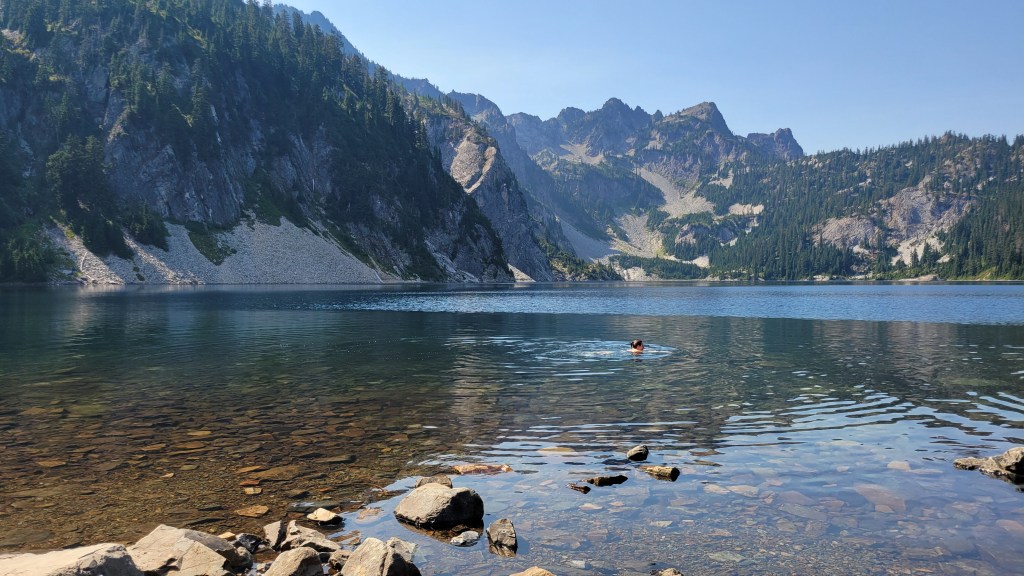
This one is obvious, but it’s also the most effective.
If you have any flexibility at all, a weekday hike will almost always feel like a different experience than the same hike on a Saturday or Sunday. Parking is easier. Trails are quieter. You don’t feel rushed or boxed in.
If you can only hike on weekends, don’t give up — just lean harder on the rest of the strategies below.
2. Embrace the off-season, shoulder season, and winter
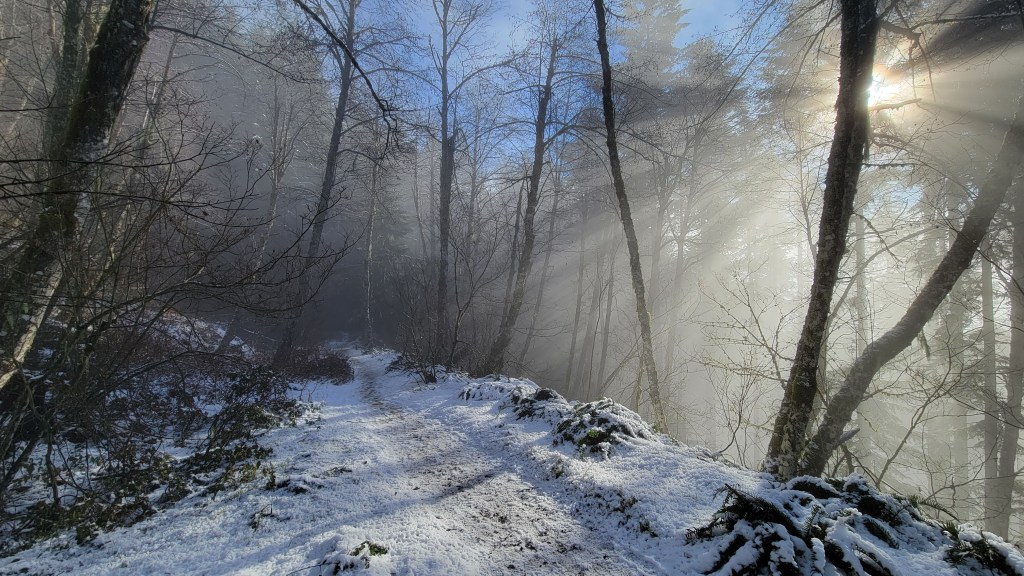
Peak summer isn’t the only time to hike — and often it’s not the best time.
Some of my favorite hikes happen:
- In late fall, after the first snow
- In early spring, when snow lingers but roads are still open
- In winter, when trails empty out completely
I go deep on this philosophy in my pillar on the art of the shoulder season hike, which explains how to time hikes between seasons when conditions are shifting but crowds haven’t arrived yet.
The biggest mistake people make is assuming hiking is a summer-only activity. That mindset alone filters out 80% of trail traffic.
3. Hike later in the day (what I call “second shifting”)
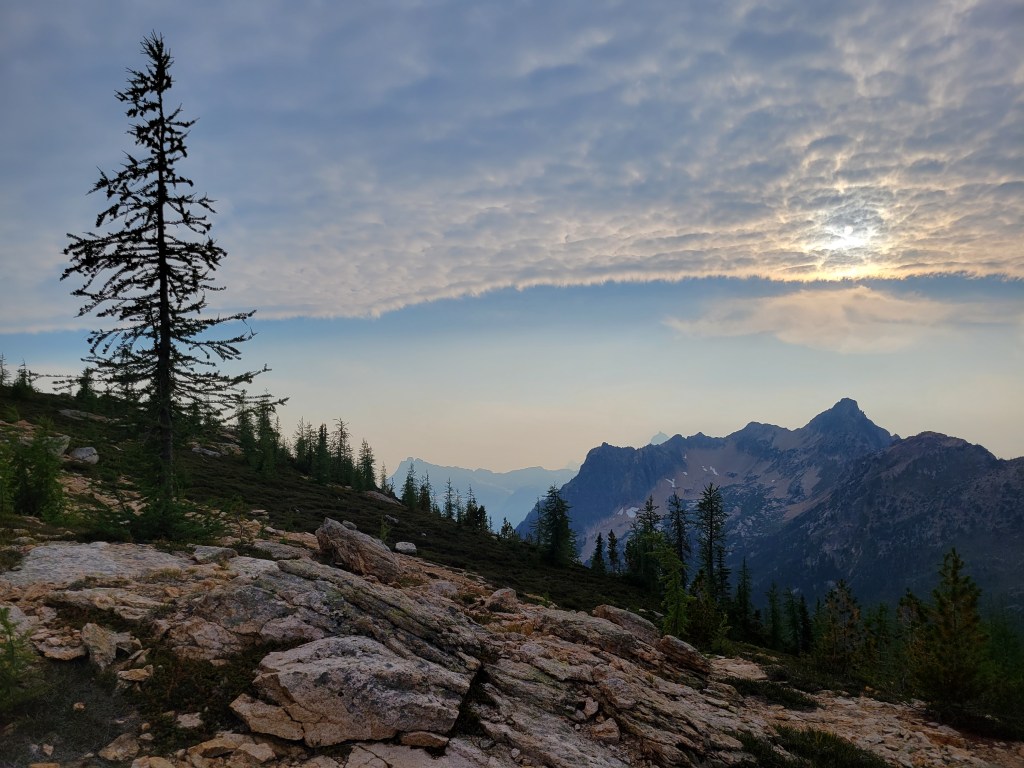
This is one of my favorite tactics.
Hiking has become an arms race to arrive earlier and earlier in the morning. Instead of competing in that race, I opt out.
Here’s why hiking later works:
- Early hikers are finishing just as you’re arriving
- Parking spots open up, even at busy trailheads
- Trails often get quieter as the day goes on
- You experience golden hour instead of harsh midday light
By the time you’re on your descent, many trails are nearly empty.
I talk more about this approach — especially how it pairs with light, timing, and safety — in my pillar on sunset hiking and golden hour strategy.
4. Seek out sleeper hikes
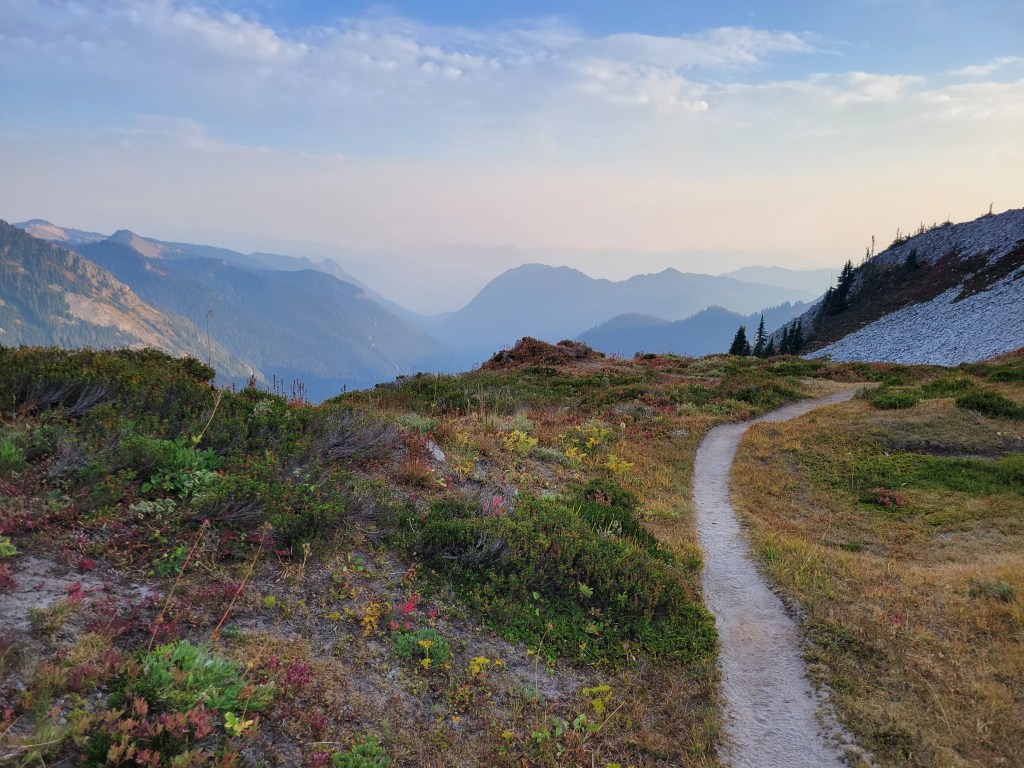
Some trails are crowded because everyone knows about them. Others are crowded because they’re easy to find.
And then there are sleeper hikes — trails that are underrated, overlooked, or only shine in specific seasons.
Finding these takes a bit more research and judgment, but the payoff is huge. Instead of competing for space on the most famous routes, you let those crowds absorb themselves elsewhere.
I maintain a dedicated list of these in my Sleeper Hikes in Washington pillar, which focuses on under-the-radar trails and off-timing advantages.
5. Be willing to drive a little farther
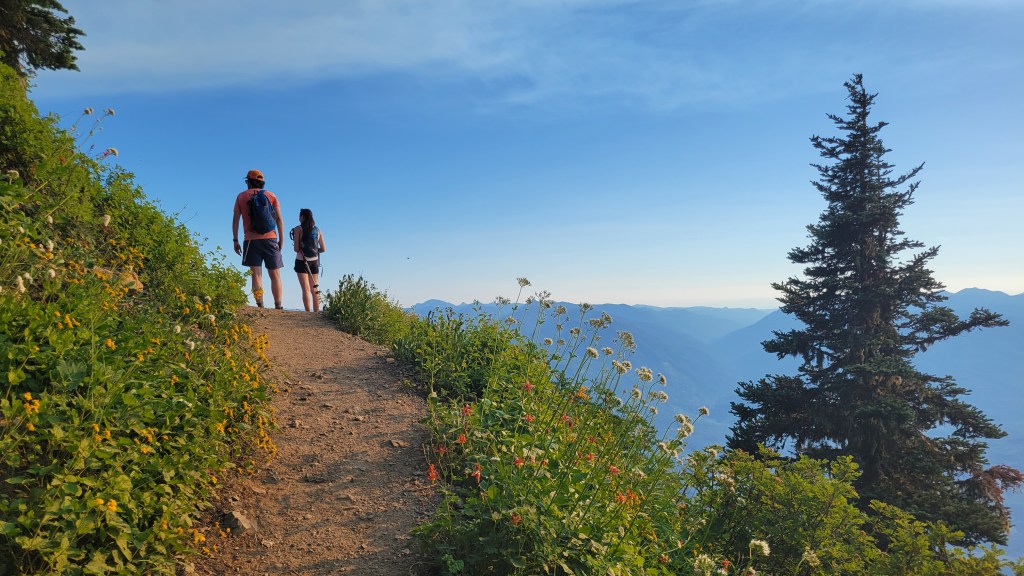
Distance matters.
The farther you get from Seattle, the fewer casual hikers you’ll encounter. This doesn’t mean driving five hours — sometimes another 30–60 minutes is enough to dramatically thin crowds.
That said, some destinations are simply crowded no matter what:
- National parks during peak season
- Iconic fall foliage hikes
- Prime wildflower zones in midsummer
The goal isn’t to eliminate crowds everywhere — it’s to avoid predictable congestion when you can.
6. Learn a new outdoor sport (and get the gear)
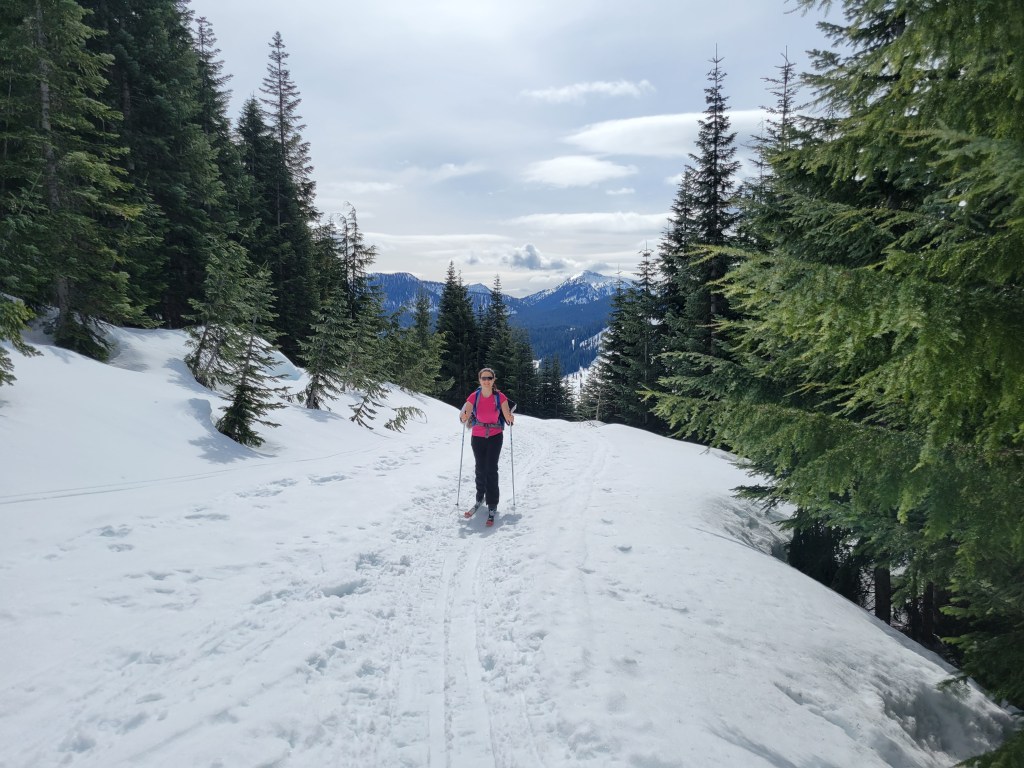
Barriers to entry matter.
The moment a trail requires something beyond basic hiking — even something small — the number of people drops fast.
Examples:
- Snowshoeing or snow hiking with traction
- Cross-country or backcountry skiing
- Alpine touring
- Mountain biking
- Paddle access via kayak or SUP
Winter is already quieter than summer. Adding even minimal gear opens up terrain where you may see almost no one.
The same is true in summer: mountain biking trails and paddle-access routes are often shockingly uncrowded compared to hiking trails nearby.
7. Backpack, camp, or car camp (if you’re open to it)
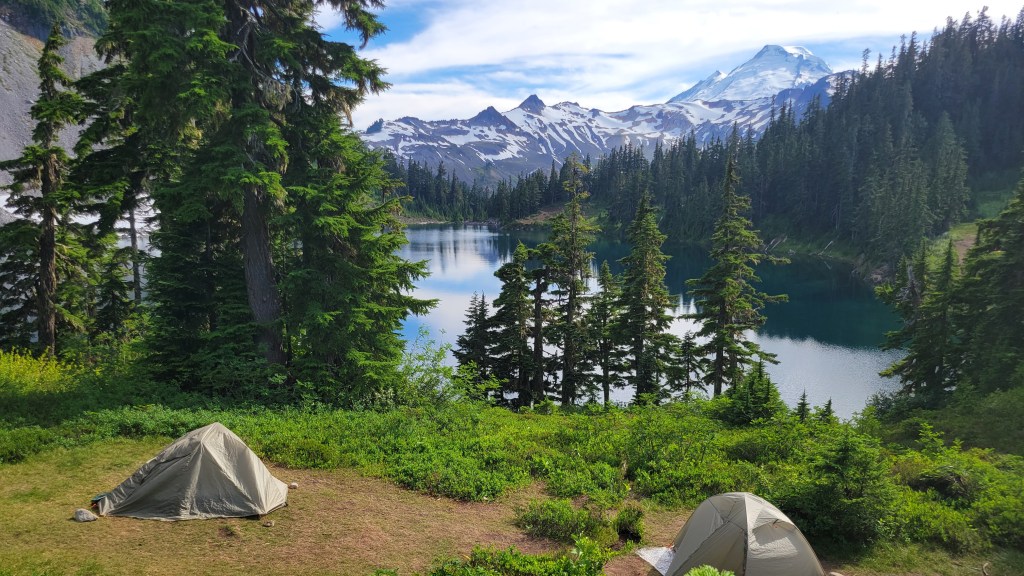
This isn’t for everyone — but it’s one of the most reliable crowd filters.
Backpacking allows you to:
- Get farther from trailheads
- Experience trails early or late in the day
- Share space only with other backpackers (a much smaller group)
If backpacking isn’t appealing, car camping can achieve many of the same benefits:
- Early or late trail access
- No rush to drive home
- More flexibility with timing and conditions
Just make sure overnight parking is allowed and follow all local regulations.
Final thought: crowds are predictable — and avoidable
Crowds aren’t random. They follow patterns:
- Time
- Season
- Popularity
- Accessibility
Once you understand those patterns, you don’t need secret hikes — you just need better strategy.
Most people hike where everyone else hikes.
I focus on when and how I hike instead.
If you adopt even a few of these tactics, your experience on the trail will change immediately — without waking up earlier, hiking harder, or driving farther than you want to.
 Dangenda