Most people think of hiking as a morning activity. Sunrise hikes, early alarms, crowded trailheads by 8 a.m.
I take a different approach.
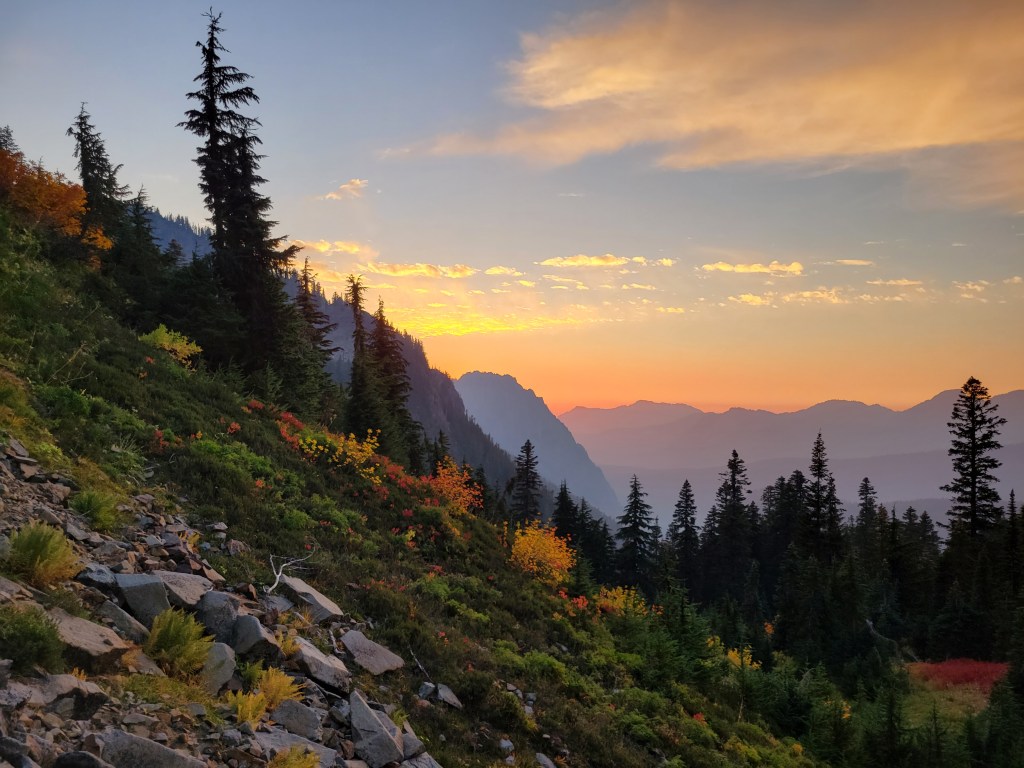
I love sunset hiking — not as an extreme activity, but as a deliberate way to optimize light, crowds, and overall experience on a day hike.
This article is about how to do that well.
To be clear upfront:
- This is not about backpacking or camping overnight
- This is not about hiking deep into the dark by choice
- This is about maximizing golden hour and sunset, while still getting back to the trailhead with little to no hiking in the dark
Why Sunset Hiking Works So Well
Second Shifting: Hiking When Others Are Leaving
Hiking is often an early-bird sport. Sunrise hikers, campers, and ambitious weekend warriors dominate the morning.
I generally leave sunrise hikes to them.
I prefer what I call second shifting:
- start your hike in the afternoon
- early hikers are finishing and leaving
- parking opens up
- trails thin out as the day goes on
By sunset, many popular hikes are far quieter than they were mid-morning.
Parking Is Often Easier Later in the Day
This is an underrated benefit.
On busy weekends, prime parking can be impossible in the morning — but much easier to find in the afternoon as people cycle out. Starting later often sets the tone for a calmer experience.
Golden Hour Is the Real Payoff
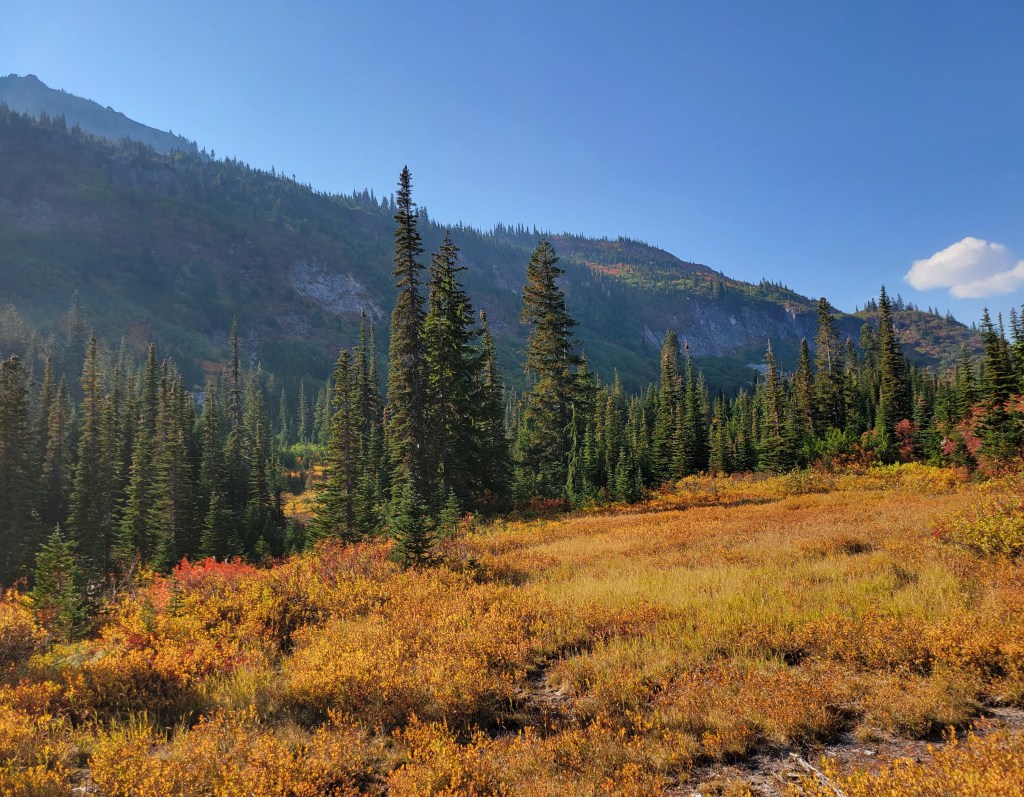
Golden hour is my favorite time to be outside.
The light is softer, warmer, and more directional, dramatically enhancing:
- spring flowers
- summer wildflowers
- fall foliage
- textures in rock, forest, and water
Even familiar hikes feel elevated in this light.
What Makes a Good Sunset Hike
View Direction Matters
If your goal is sunset:
- you want a west-facing viewpoint
- ideally with a clear horizon
On the West Coast, this makes coastal hikes especially reliable sunset options, since you can often watch the sun drop directly over the water.
You Don’t Always Need to See the Sun Hit the Horizon
A great sunset hike doesn’t always mean watching the sun physically drop below the horizon.
Sometimes the magic is how low-angle light hits the landscape — lighting up a mountain face, ridge, or valley in a way that only happens late in the day.
That said, not all terrain responds well to sunset timing.
Why Some Alpine Lakes Don’t Work at Sunset

Many alpine lakes — especially those tucked into steep basins — are poor sunset candidates.
What often happens:
- the sun disappears behind surrounding peaks well before official sunset
- shadows creep across the lake earlier than expected
- the basin walls block, rather than enhance, golden-hour light
Because of this, I generally save basin-style alpine lakes for earlier in the day and avoid making them the primary destination for sunset hikes.
Think About the Return, Not Just the View
Reaching a viewpoint at sunset is only half the equation.
Ask yourself:
- how long is the hike back?
- how technical is the descent?
- am I comfortable with fading light?
You typically get about 45 minutes of usable twilight after sunset before it gets truly dark. Plan accordingly.
Choose Simple, Low-Hazard Trails
Especially in winter, this matters.
For sunset hikes:
- the return should be straightforward
- minimal exposure
- no scrambling
- no tricky navigation
Hiking becomes significantly more dangerous in the dark — even with a headlamp.
Bring a Headlamp Anyway
Even if you don’t plan to use it.
A headlamp is insurance:
- injuries happen
- people slow down
- weather shifts
Bring one. Plan not to need it.
Extra Margin Helps
For longer sunset hikes:
- bring an extra layer (it cools quickly)
- bring water and snacks
- expect wind at viewpoints
Wildlife Awareness
At dusk, wildlife is more active — especially on quieter, forested trails. Awareness matters, even on familiar routes.
Favorite Sunset & Golden-Hour Hikes
These are hikes I’ve personally found to work especially well for sunset or golden-hour timing — based on view direction, return logistics, and how forgiving the timing is.
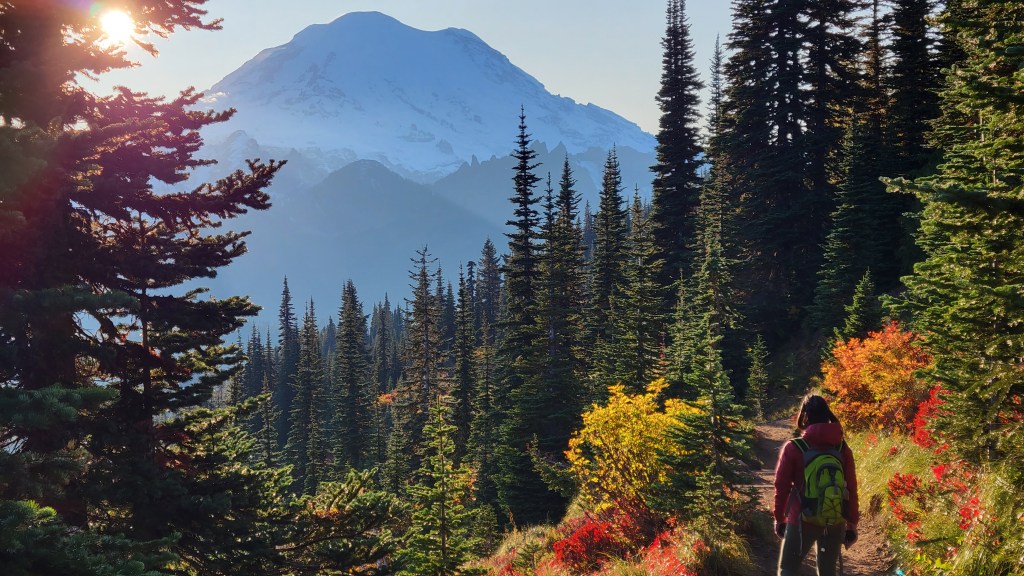
- Naches Peak Loop
For a deeper take, see my experience brief on Naches Peak Loop, where I explain why the clockwise loop sets you up for Mount Rainier views in warm late-day light.
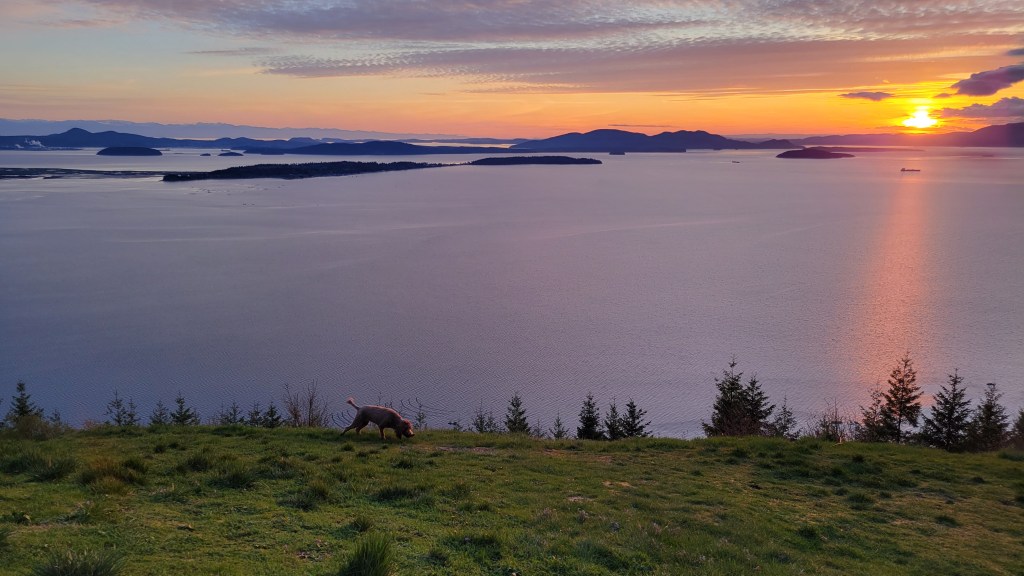
- Oyster Dome
I break this one down further in my Oyster Dome experience brief, including why some of the best sunset views are actually from the parking area.
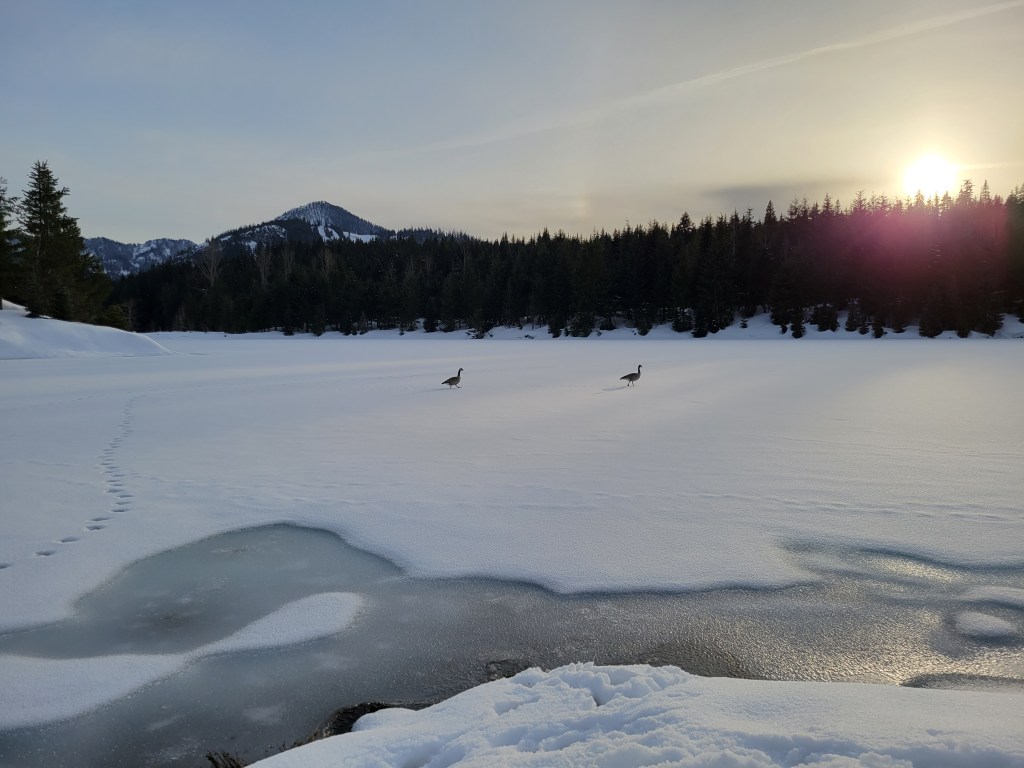
- Gold Creek Pond
See my Gold Creek Pond experience brief for why this is one of my favorite low-risk sunset and golden-hour hikes, especially in shoulder seasons and winter.

- Ira Spring Trail (Mason Lake / Bandera area)
Best treated as a golden-hour hike rather than a sunset-at-the-lake destination. I like reaching Mason Lake while it’s still sunny, then climbing higher toward the Bandera junction where sweeping Snoqualmie Valley views catch the sunset.
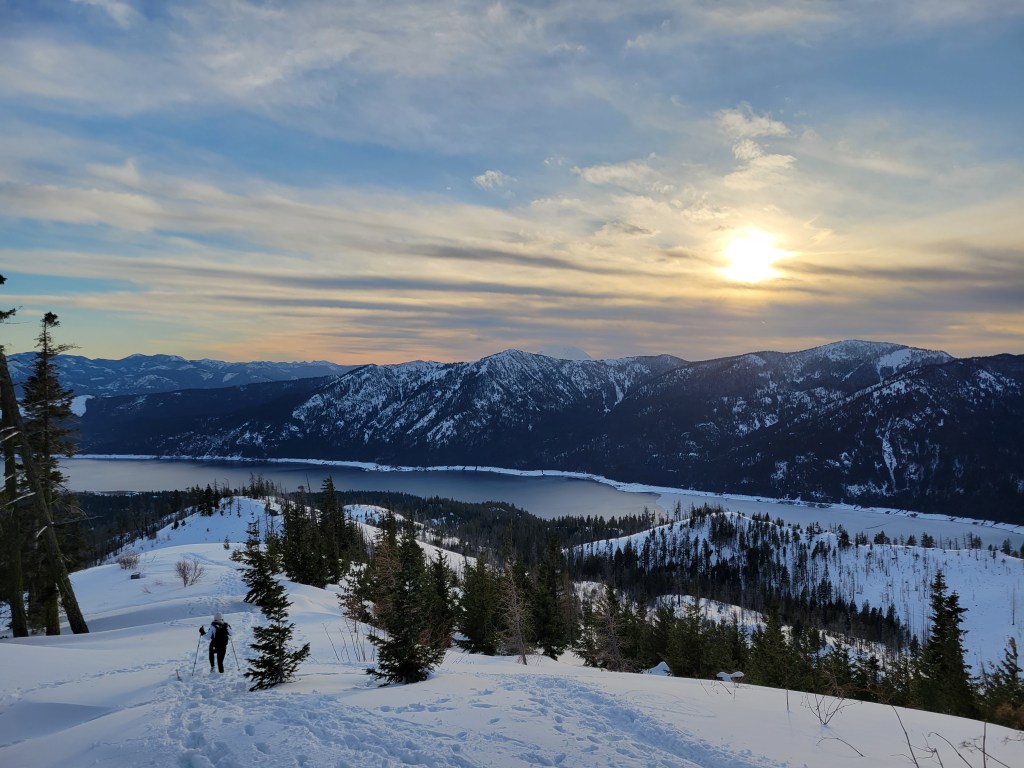
- Hex Mountain
You don’t need to be on the peak at sunset — the real payoff is often descending as the sun sets, when late light rakes across surrounding terrain. This can even be excellent when snowshoeing under stable conditions.
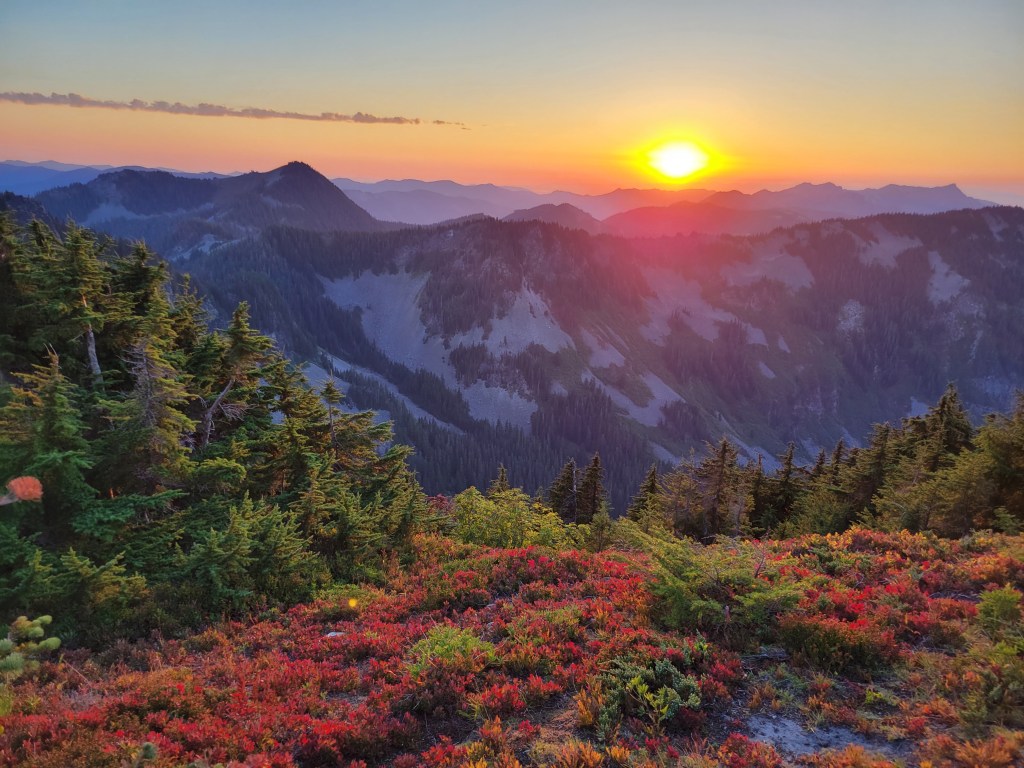
- Silver Peak (Snoqualmie Pass)
A strong summer sunset hike during wildflower season, with a true west-facing horizon from the summit. Just be prepared for a longer descent with a headlamp.
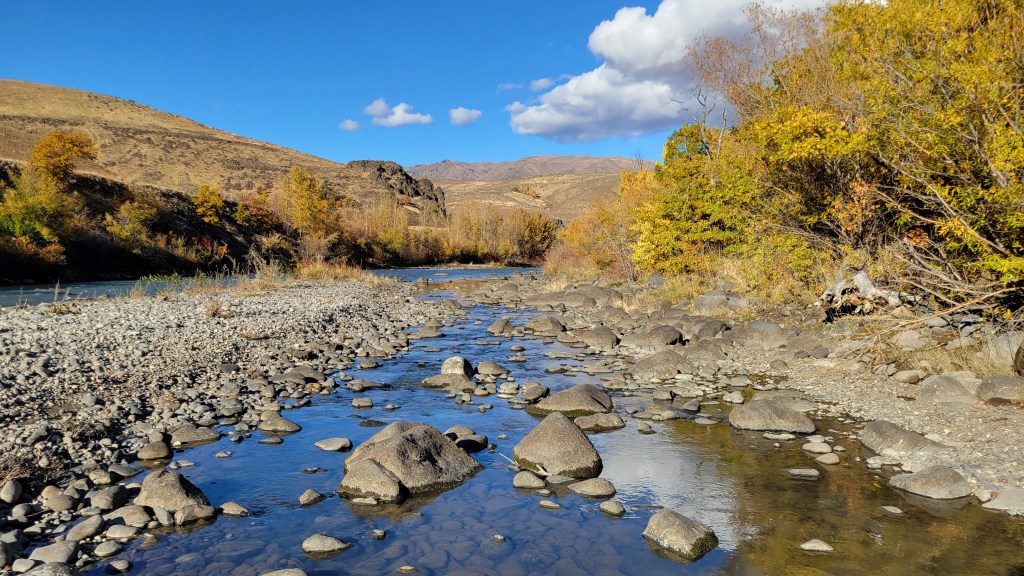
- Tieton River Trail (Yakima area)
A fall favorite where golden hour lights up the river corridor and foliage without requiring elevation or technical terrain.
Final Thought
Sunset hiking isn’t about racing daylight or pushing limits.
It’s about:
- better light
- fewer people
- easier parking
- and a calmer end to the day
If morning hikes feel rushed or crowded, sunset hiking might be exactly what you’re looking for.
 Dangenda