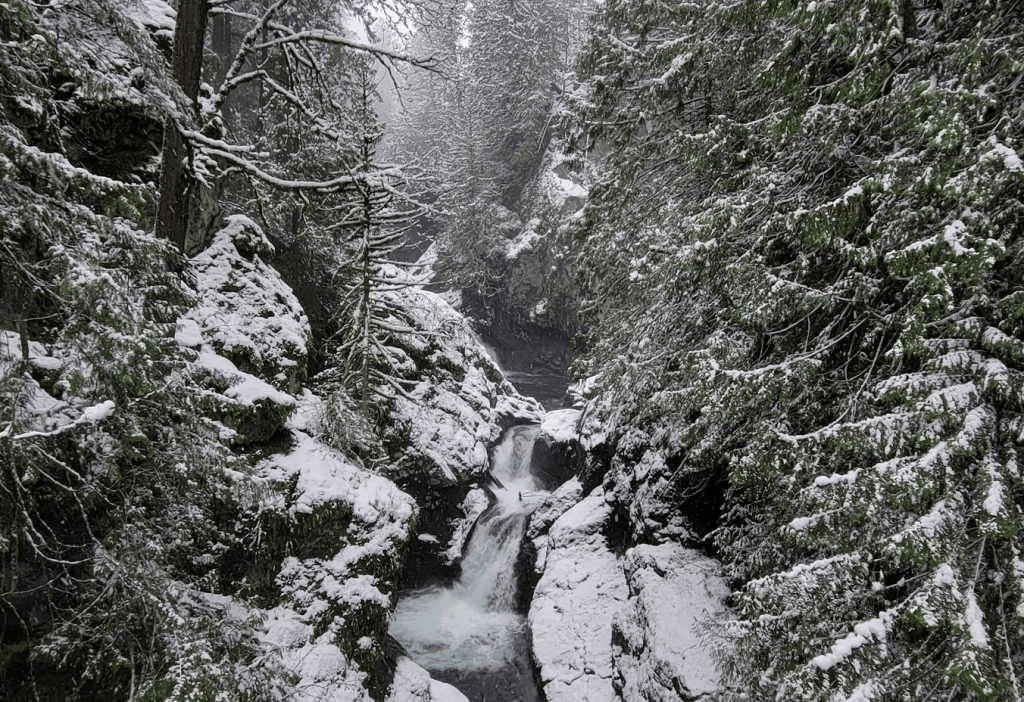
Twin Falls is one of the most reliable “bang for your buck” hikes near Seattle.
It can be done year-round, it’s close enough to be easy, and yet far enough from the city to feel like you’re properly out in nature. Located near North Bend in Olallie State Park, this hike delivers constant scenery without requiring a long drive or a big commitment.
People don’t often think to do Twin Falls in winter — and when conditions line up, they’re missing out.
Twin Falls also appears in my broader decision guide:
Best Hikes in Washington by Season — a judgment-first overview of when hikes actually make sense
https://dangenda.com/2026/01/05/best-hikes-in-washington-by-season/
Why Twin Falls Works So Well (Any Season)
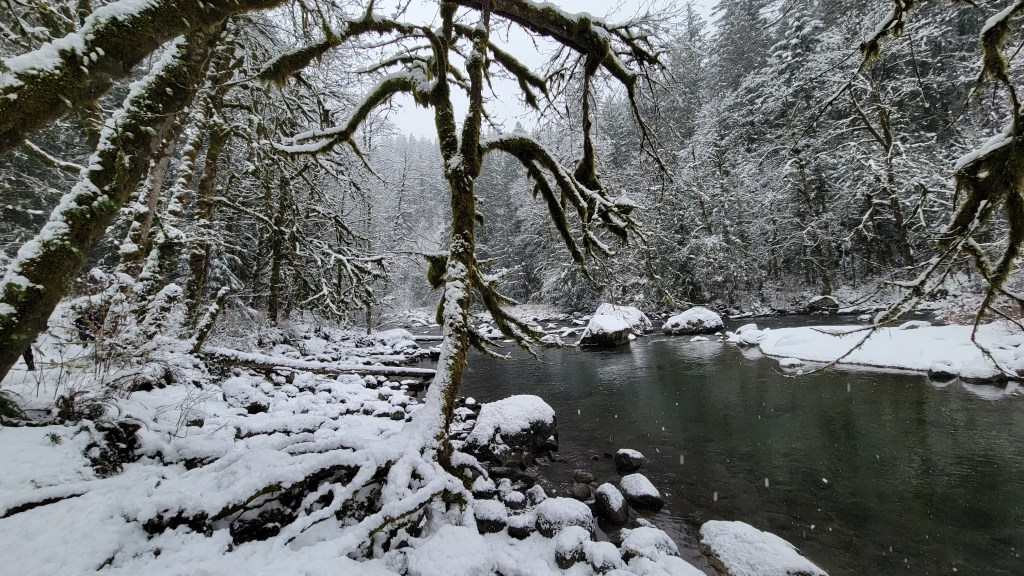
What makes Twin Falls special is how much variety it packs into a short distance.
There’s never a dull moment. Unlike longer hikes deeper in the mountains, you don’t have to grind through miles of forest switchbacks before anything interesting happens.
You start along a beautiful river lined with mossy trees and lush greenery. Then the trail climbs gently through zig-zagging forest paths, gaining elevation in a way that feels playful rather than punishing. Finally, you arrive at the falls themselves — not just one viewpoint, but multiple angles and stopping points that let you linger and take it in.
It’s a compact hike that feels complete.
Winter Reality: Timing Matters
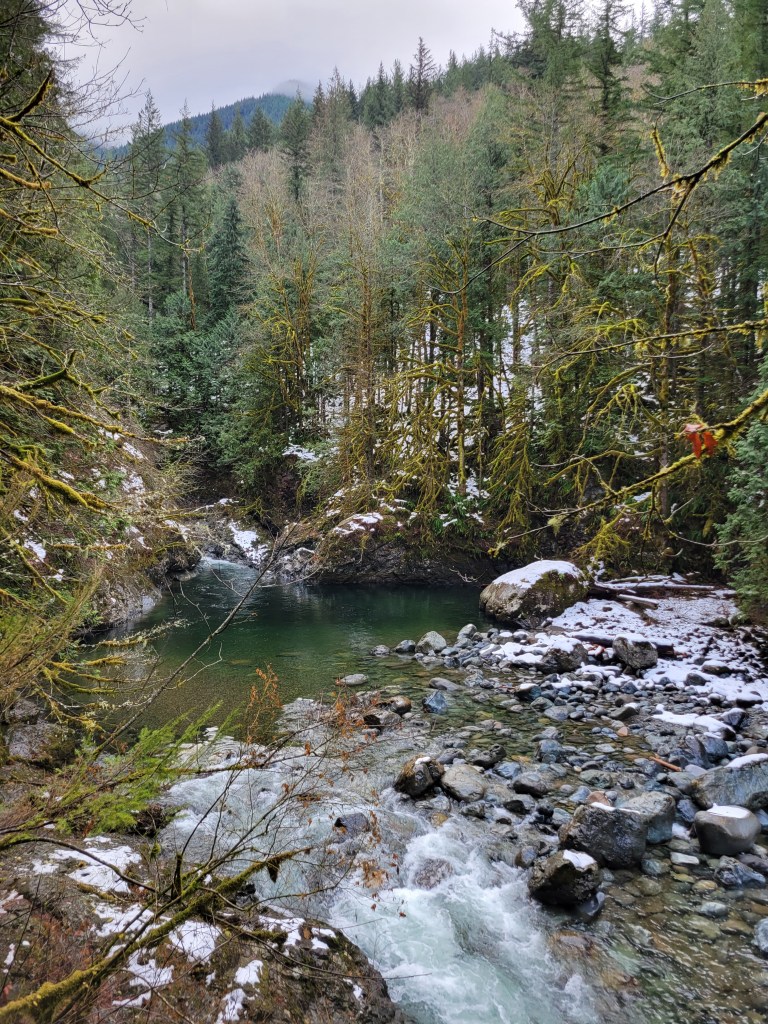

Because Twin Falls sits at a low elevation, it does not reliably have snow for most of the winter.
It’s common for December — and even January — to be completely snow-free here. February is often a better bet, but even then, snow coverage depends entirely on whether storms reach lower elevations.
This is not a “set it and forget it” winter hike. It becomes magical when snow reaches this elevation, not automatically because it’s winter.
The best way to time it:
- check recent trail reports
- look at nearby hikes to gauge the snow line
- aim for right after a fresh snowfall, or even during a light storm if you’re comfortable driving
When snow does cover most of the trail, Twin Falls turns into a true winter wonderland — river, forest, and waterfalls all wrapped in snow and ice.
Driving and Access in Winter
In most winter conditions, driving to the trailhead is doable without four-wheel drive.
Right after a significant snowstorm, a higher-clearance or AWD/4WD vehicle may be helpful, but otherwise this is a fairly accessible trailhead compared to higher-elevation winter hikes.
As always, check conditions before you go.
Snow, Traction, and Poles

You don’t need snowshoes for Twin Falls.
This is actually one of my go-to introductory snow hikes for friends who enjoy hiking but haven’t done much winter travel.
That said, I strongly recommend traction (spikes over hiking boots). I usually wait to put spikes on until the trail is mostly snow- or ice-covered — I don’t love walking over gravel or dirt in spikes if I can avoid it.
Once you move away from the river and into the forested zig-zagging sections, there are short, steeper grades that can become slick. It’s possible to do this hike without traction, but you increase the risk of slipping, and you’ll want to slow way down.
Hiking poles are also a good idea here — in winter and honestly year-round on any trail with real elevation gain.
Optional Extensions (Only If You Want More)
Once you reach Twin Falls, you’ve seen the best part of this route. Turning around here is a perfectly good decision.
If you want to add mileage, you can continue uphill:
- The trail eventually connects to the Palouse to Cascades State Park Trail (formerly known as the John Wayne Pioneer Trail). In winter, this stretch is snowed over, mostly flat, and fairly uneventful.
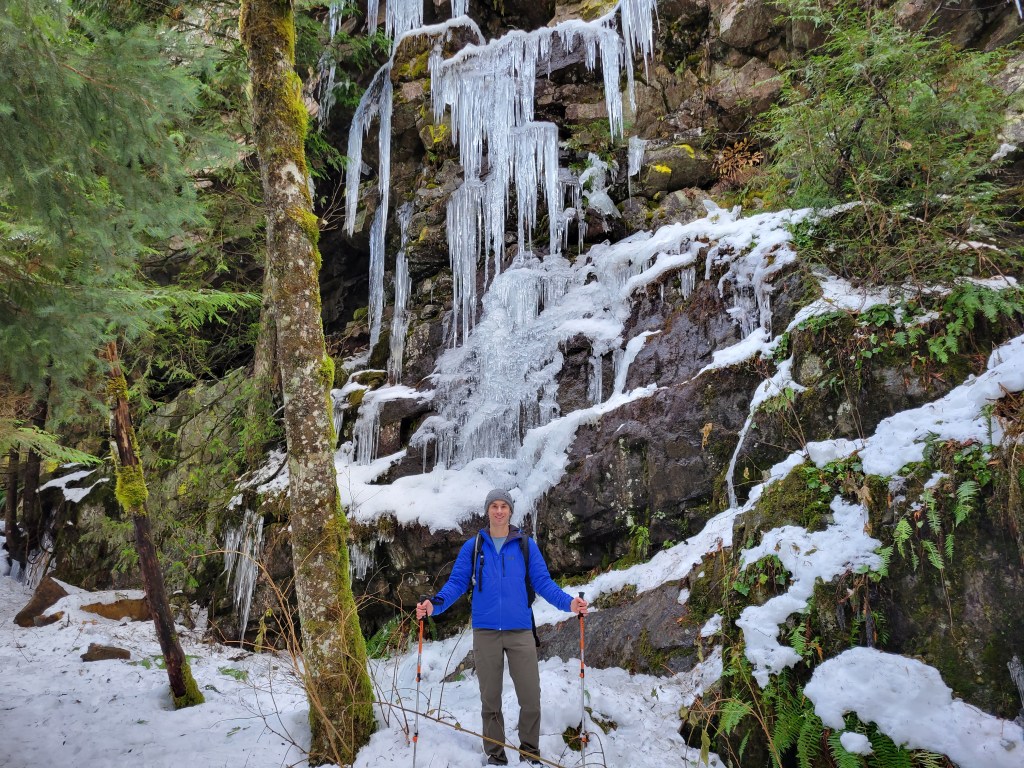
- If you continue farther, you can start up the Mount Washington Trail. A common turnaround point is where you reach some small caves and icicles.
These extensions are only worth it if you’re intentionally looking to increase mileage. From a scenery standpoint, Twin Falls itself is the highlight.
Final Judgment
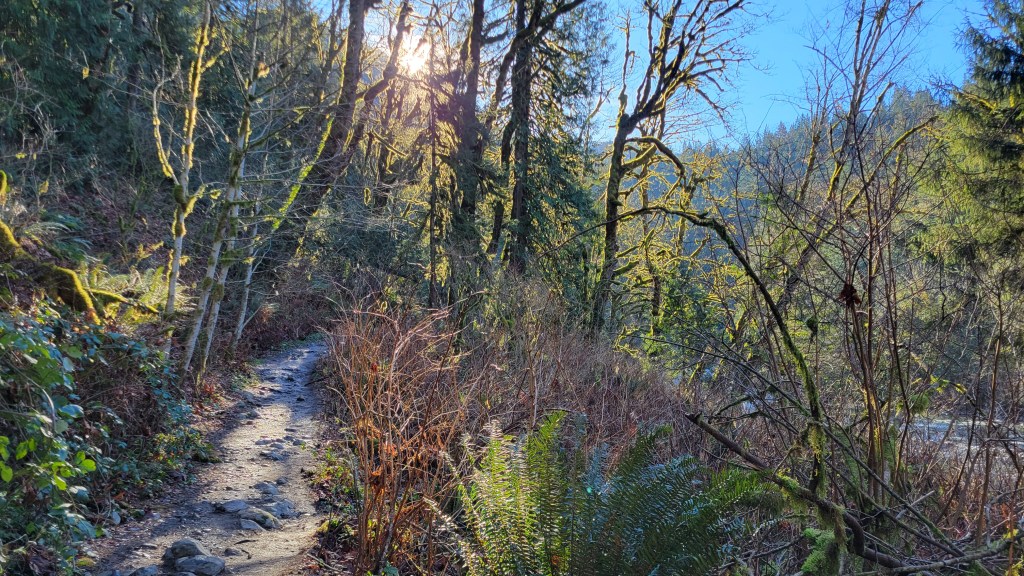
Twin Falls is a reminder that you don’t need altitude or mileage to have a rewarding hike.
When snow reaches this elevation, it becomes a surprisingly magical winter experience — one I regularly use to introduce people to snow hiking. And even without snow, it remains one of the best short hikes near Seattle thanks to its constant variety and strong payoff.
If you’re chasing value per mile, this one is hard to beat.
Quick Stats
- Distance: ~2.6 miles round trip (to Twin Falls)
- Elevation Gain: ~500 feet
- Typical Time: 1.5–2.5 hours
- Difficulty: Easy to moderate
- Location: Near North Bend, Olallie State Park
- Parking: Discover Pass required year-round
- Best Use: Year-round; winter when snow reaches low elevations
Author: Dan
Experience: Multiple seasons
Default lens: Winter-friendly, year-round
Last reviewed: January 2026
 Dangenda