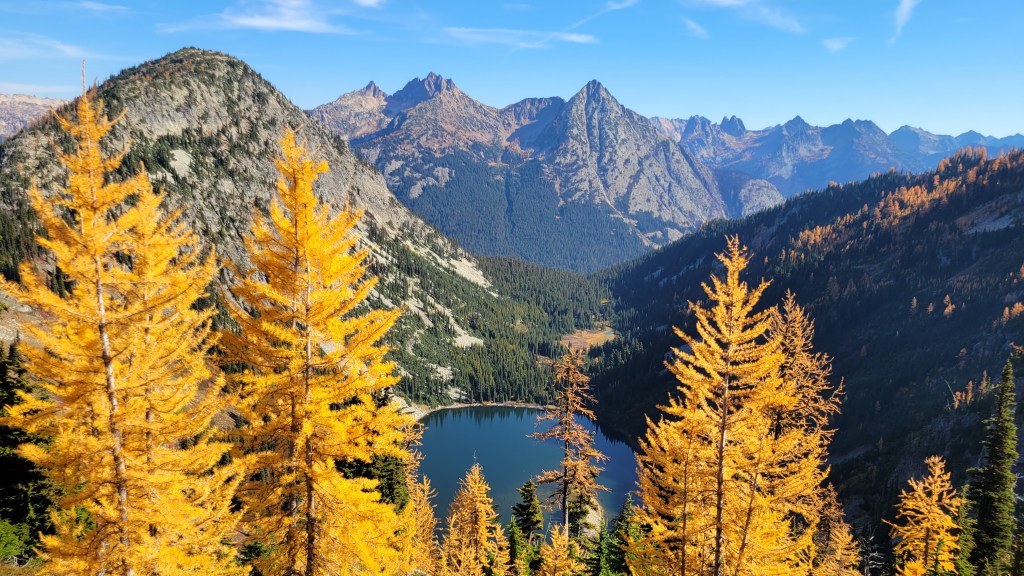
Maple Pass is my overall favorite fall hike in the state of Washington.
Not because it has one iconic viewpoint — but because it never stops delivering. The diversity is constant, the scenery is relentless, and in peak fall conditions the hike feels less like a checklist item and more like a spiritual journey you happen to be walking through.
This is a loop trail, and I’ve only done it in the fall. That’s intentional. This review is fall-first by design. (The hike is also beautiful in summer, but it’s extremely exposed and can get very hot on clear days.)
I also include Maple Pass in my broader decision guide:
Best Hikes in Washington by Season — a judgment-first overview of when hikes actually make sense
https://dangenda.com/2026/01/05/best-hikes-in-washington-by-season/
The One Catch: Distance and Logistics
Maple Pass is a long drive from Seattle — roughly three to three and a half hours, depending on traffic and where you start.
It’s also extremely popular during peak larch season, and parking is the main friction point. On peak fall weekends, it’s not uncommon to end up parking half a mile to a mile away if you arrive late in the morning.
Unless you want to leave Seattle very early, I recommend staying overnight in the area the night before. That makes it far easier to get an early start and arrive before parking becomes an issue.
On a peak fall weekend, around 8am is a realistic target if you want decent parking odds.
Even when parking is chaotic, the trail itself is large and expansive enough that it does a good job dispersing people. Once you’re hiking, it’s still very much worth it.
Trailhead and Access Notes
The hike typically starts from the Rainy Pass / Rainy Lake Trailhead area. Vault toilets are available, and a Northwest Forest Pass is required.
Highway 20 is seasonally closed in winter, so this is not a year-round casual access hike. Fall is the window.
When the Larches Are Actually at Their Best
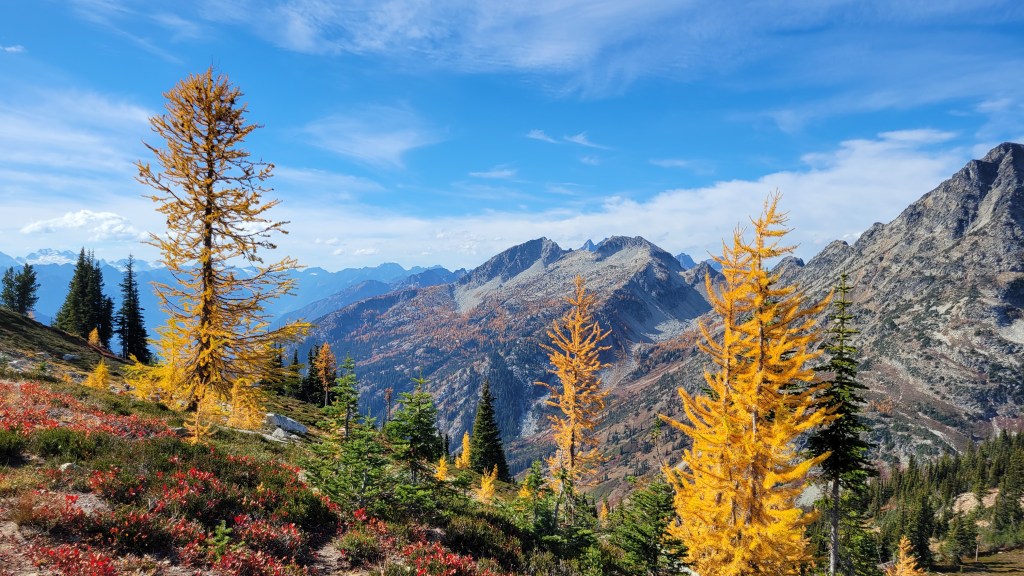
In most years, peak larch season on Maple Pass falls between late September and mid-October, with peak color often landing in the first half of October. The exact timing shifts every year depending on weather patterns.
This narrow window is why Maple Pass can feel intense from a logistics standpoint — everyone is trying to hit the same stretch of days.
One of the most special versions of this hike happens in mid to late October, when you can catch:
- lingering larch color
- a light dusting of early snow
- clear skies
- crisp fall air
That combination — gold, white, blue, and cold — can be extraordinary without committing to full winter conditions.
Loop Direction: Counter-Clockwise Is Common (But Not Everything)

Most people hike Maple Pass counter-clockwise, which offers a more gradual ascent and a strong visual approach as you climb toward the pass.
I’m not especially dogmatic about direction here. What matters far more than clockwise vs counter-clockwise is:
- weather
- timing
- and not trying to force the hike on a packed day
Maple Pass rewards presence more than strategy.
The Lake Ann Side Trip: Do It
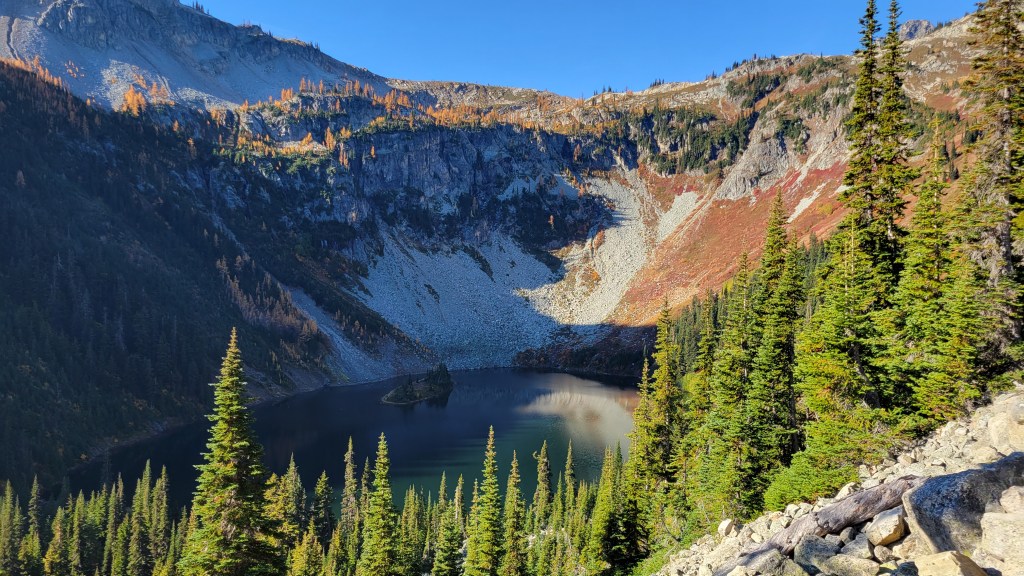
The side trip to Lake Ann is short, relatively flat, and absolutely worth including — especially in the fall.
If you’re already committing to Maple Pass during peak season, skipping Lake Ann to save a small amount of time is the wrong kind of efficiency. The lake adds variety, reflection, and a different emotional register to the hike, and it rounds out the loop beautifully.
In summer, Lake Ann is also swimmable for those who want to cool off — with the usual alpine-lake caveat that “swimmable” does not mean warm.
Editorially: treat Lake Ann as part of the experience, not an optional afterthought.
Seasonal Notes That Actually Matter
- Snow can linger on parts of the trail into early summer, sometimes into July.
- In summer, the exposure can make this hike feel harsher than the mileage suggests.
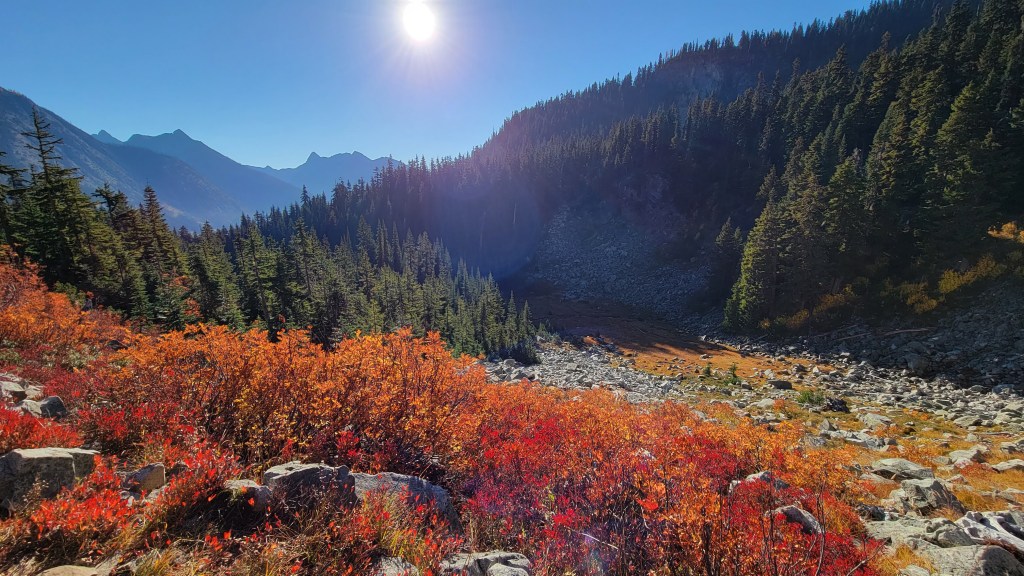
- In fall, Maple Pass becomes the best version of itself: cooler temperatures, sharper contrast, deeper color, and a more cinematic feel overall.
Why This Hike Feels “Spiritual”
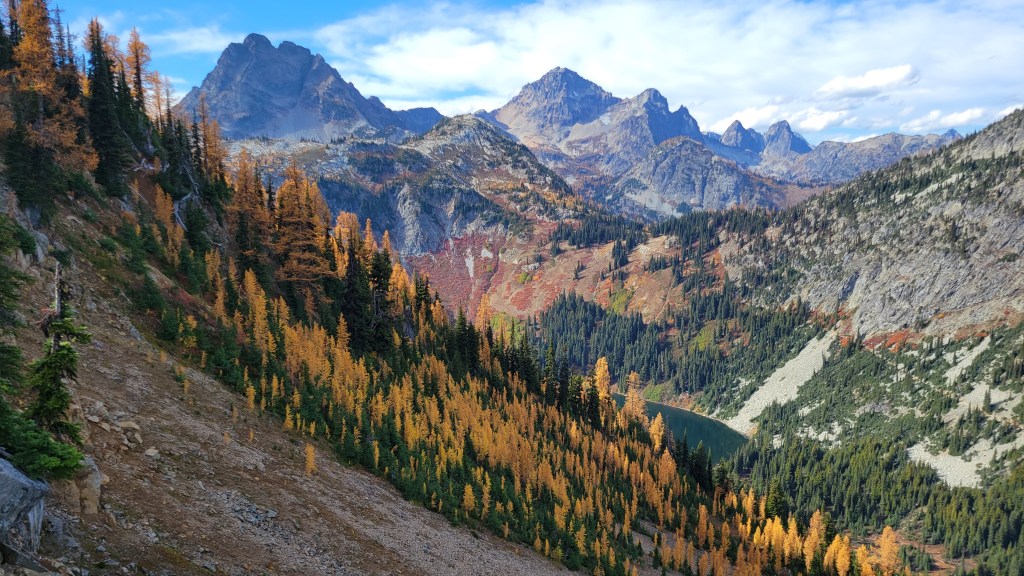
Maple Pass is a diversity hike in the purest sense.
Forest gives way to meadow. Meadow gives way to lake. Lake gives way to ridge. Ridge gives way to pass. And somehow, the visuals keep escalating instead of peaking early.
It’s the kind of trail where:
- you stop taking photos because you can’t keep up
- the scenery pulls you out of your own head
- the hike becomes a moving meditation whether you planned that or not
Unlike hikes that rely on a single dramatic viewpoint, Maple Pass earns its reputation through consistency. It doesn’t spike — it sustains.
Final Judgment
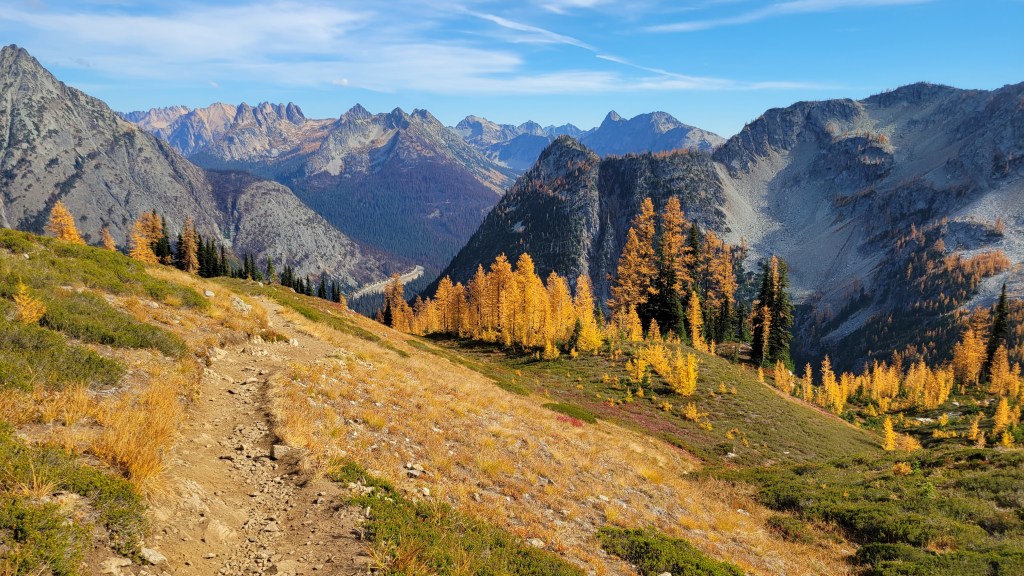
Maple Pass is popular for a reason. It’s also worth the hassle — if you respect the timing.
- Stay overnight if you can.
- Start early.
- Plan around weather.
- Treat Lake Ann as part of the experience.
- Aim for late September through mid-October, knowing the exact peak moves every year.
If you hit it right, Maple Pass doesn’t just impress you.
It resets you.
Author: Dan
Default lens: Fall
Last reviewed: January 2026
 Dangenda