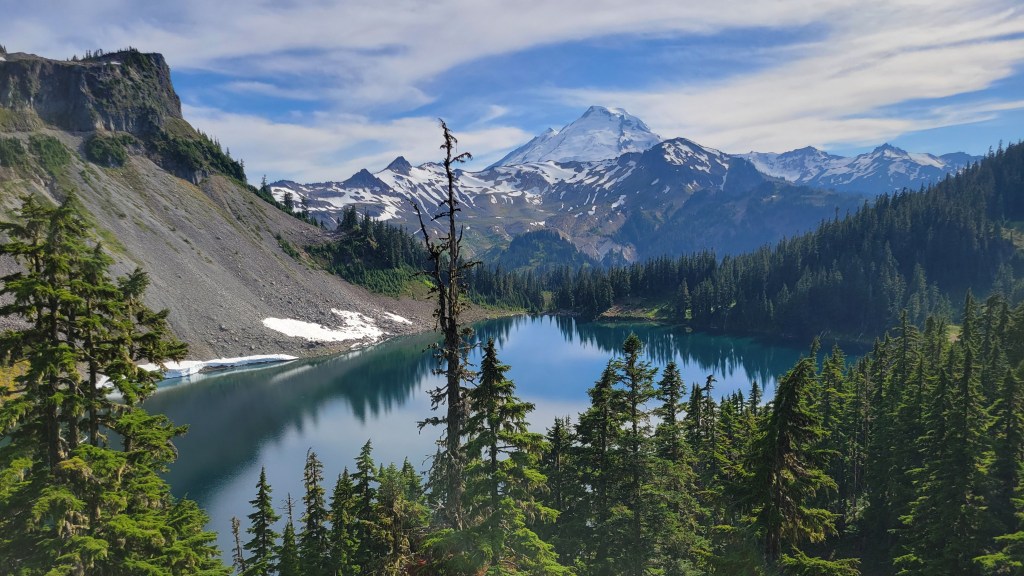
Washington is one of the few places in the U.S. where you can hike year-round — but only if you’re honest about conditions, tradeoffs, and what actually makes a hike worth doing today.
This isn’t a greatest-hits list.
It’s how I decide where to go, season by season, when I care about payoff more than checking a box.
Winter (November–February): Reward Without Exposure
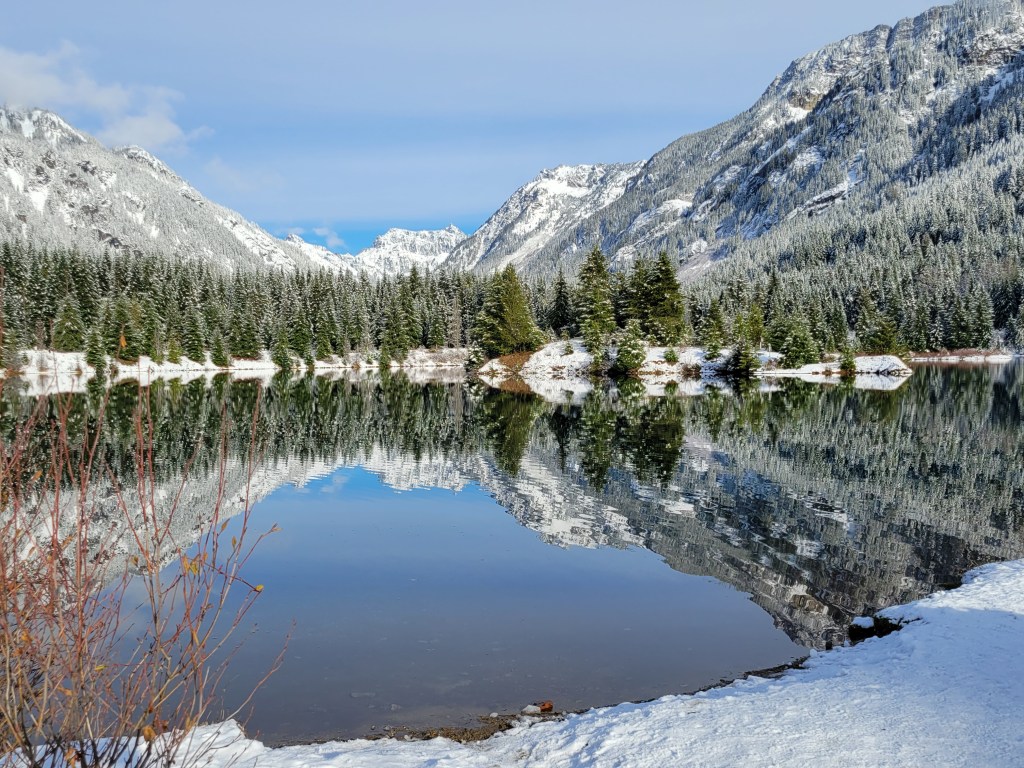
Winter hiking here isn’t about mileage.
It’s about whether the reward is worth the risk and logistics.
If the answer isn’t obvious, I downgrade the plan.
Best Easy Hike / Bang for Your Buck: Twin Falls
A short, high-variety hike that delivers river scenery, forest, and waterfalls with almost no wasted distance — and becomes especially magical when snow reaches lower elevations. (See my Twin Falls experience brief for winter timing judgment, traction advice, and when this hike truly shines.)
Best Easy Snowshoe: Gold Creek Pond
A flat, forgiving winter outing that’s ideal for beginners, families, and first-time snowshoers — with surprisingly beautiful scenery for minimal effort.
(See my Gold Creek Pond experience brief for seasonal access, permit guidance, snowshoe vs boot judgment, and optional bonus extensions.)
Best Date Hike / Snowshoe: Franklin Falls (shorter route)
Short approach, dramatic payoff, minimal decision fatigue. It’s forgiving for mixed experience levels and still feels like a real outing.
I avoid the longer winter approach unless conditions are exceptionally stable — it adds commitment without proportional reward.
A short, beginner-friendly winter hike with a dramatic frozen-waterfall payoff that feels far more special than the effort required.
(See my Franklin Falls winter experience brief for access strategy, parking tips, traction judgment, and why this is one of the best intro winter hikes near Snoqualmie Pass.)
Best Challenging Snowshoe: Lake Valhalla
This is where winter effort actually feels earned. It’s physically demanding, mentally engaging, and satisfying when conditions line up.
This is not casual winter hiking. Avalanche awareness and conservative judgment are mandatory.
If you’re just trying to “get out,” pick something else.
Spring (March–May): Optimism With Restraint
Spring is when most Washington hiking mistakes happen. Snow lingers longer than expected, access opens unevenly, and ambition tends to outrun conditions.
I assume less, not more.
Best Bluebird Snowshoe: Artist Point (Mt. Baker)
If you’re chasing late-season snow with long daylight, fewer crowds, and the highest odds of clear skies, this is my top spring snowshoe in Washington. Timing matters here more than almost anywhere else. When the weather cooperates, this is one of the most visually rewarding spring outings in the state.
→ Read the Artist Point snowshoe experience brief
Best Moderate Hike: Oyster Dome
Reliable, snow-free early, and consistently enjoyable. This is one of my “just go” spring hikes when I want something satisfying without overthinking it.
It’s also a good reminder that you don’t need alpine terrain to have a good day outside.
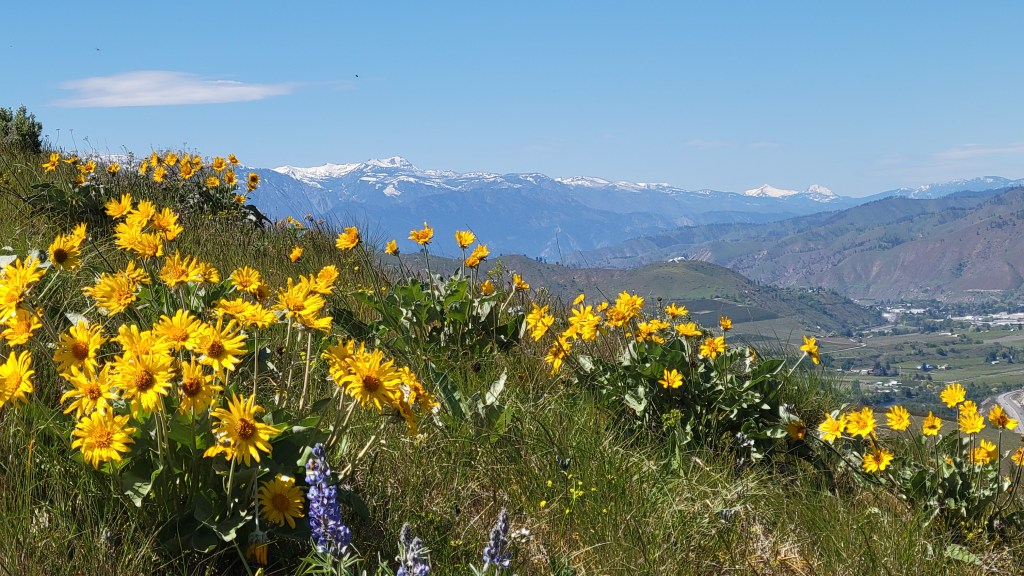
Best Flower Hike: Sage Hills
Spring wildflowers without mud, misery, or crowds. Eastside conditions shine here when the west side is still sorting itself out.
If I want color and good footing early in the season, this is high on my list.
Best Spring Weather Pick: Rattlesnake Dance
This is my alternative to the ledge when I want a better flow and fewer people. It rewards restraint and timing.
When the forecast is questionable but I still want a real hike, this is often the right call.
Summer (June–September): Timing Beats Toughness
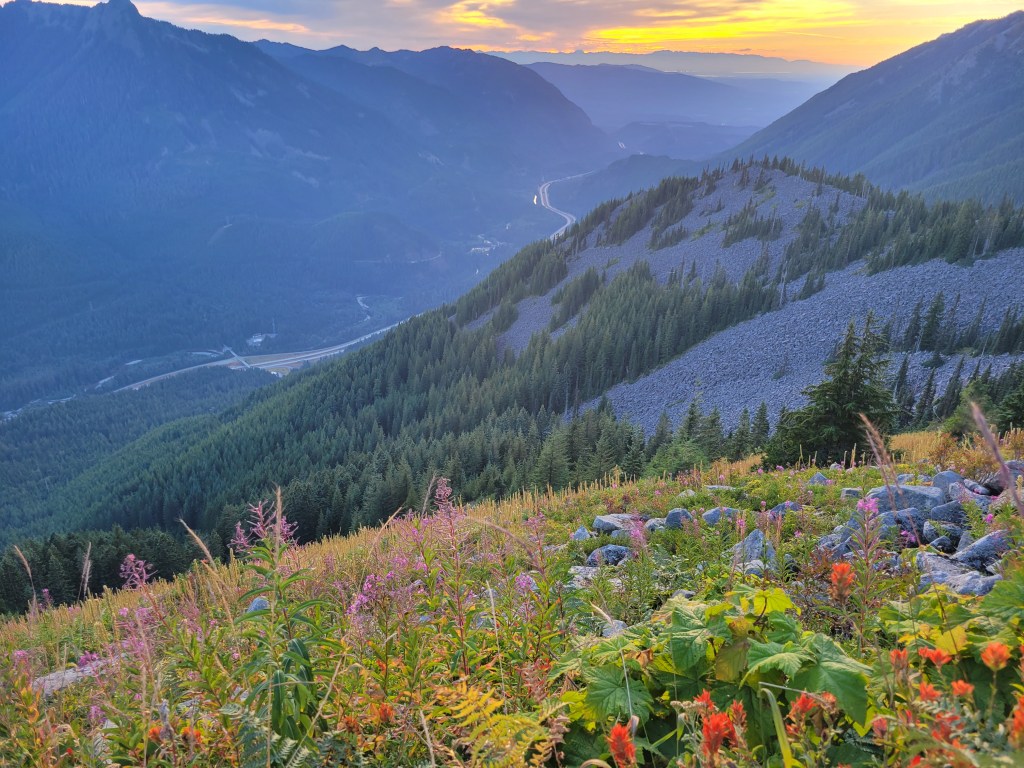
Summer is prime time — and peak crowds. Fitness matters less than start times, route selection, and tolerance for people.
I’d rather wake up early than out-hike crowds.
Best Strenuous Hike: Camp Muir (Mt. Rainier)
Physically demanding, exposed, and iconic. This is a serious hike, not a casual stroll.
The effort is real, and so is the payoff — but only if you respect the altitude, weather, and timing.
If you’re not prepared to start early and manage conditions, this isn’t the day’s best decision.
A serious, weather-dependent climb that sits right on the edge of mountaineering and rewards preparation, patience, and good judgment. (See my Camp Muir experience brief for summer-only timing, snow travel realities, gear judgment, and why reaching Camp Muir is an achievement in its own right.)
Best Overall Summer Hike: Chain Lakes Loop (Mt. Baker)
This is the rare hike that delivers views, variety, and flow without turning into an endurance contest.
If someone asked me for one summer hike that almost always delivers, this would be near the top. (See my Chain Lakes Loop experience brief for summer timing, loop direction, and why this hike works so well.)
Best Wildflower Bang for Your Buck: Naches Peak Loop
High reward, low commitment, and spectacular when timed right. This is one of the best effort-to-payoff ratios in the state.
It’s popular for a reason — which means timing matters more than speed.
Short mileage, constant scenery, and exceptional wildflowers make this one of the most efficient summer (and fall) hikes near Mount Rainier. (See my Naches Peak Loop experience brief for loop direction, sunset timing, optional side trips, and why this hike consistently overdelivers.)
Best Sleeper Pick: Ira Spring Trail (Sunset)
Underrated at golden hour. The payoff feels disproportionate to the effort if you time it late.
I don’t go here midday in summer. I go when the light makes it worth it.
Bring a headlamp. Plan to linger.
Fall (Late September–October): Short Window, No Slack
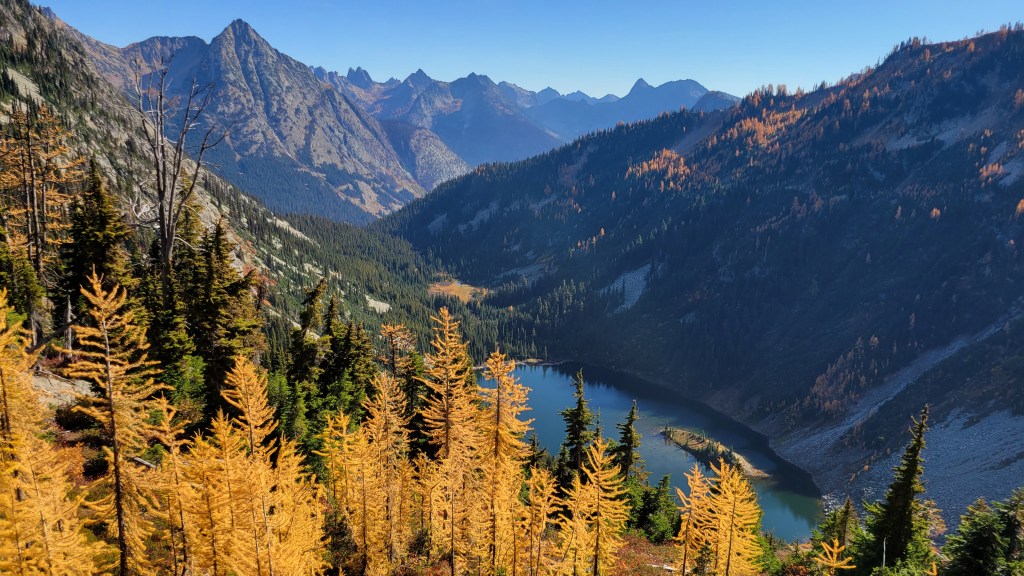
Fall hiking is emotionally peak Washington — and logistically unforgiving. Daylight shrinks, snow arrives early, and access changes fast.
I don’t treat fall as “bonus summer.”
Best Overall Fall Hike: Maple Pass
If you do one fall hike in Washington, this is it. Timing is everything, and when it works, it’s exceptional.
Constant visual payoff, incredible diversity, and the most complete fall hiking experience in Washington. (See my Maple Pass experience brief for fall timing, larch season judgment, and why this hike feels almost spiritual when conditions line up.)
Honorable Mention: Yellow Aster Butte
Less forgiving, but deeply rewarding when conditions align. This is not a casual fall outing, but it earns its reputation.
I only go when the forecast is boring — that’s when it shines.
Best Sleeper Pick: Cowiche Canyon
Quiet, beautiful, and often overlooked. When alpine routes turn uncertain, this is where I pivot.
It’s a reminder that fall color doesn’t require elevation.
Best Moderate Fall Hike: Snow Lake
Crowded for a reason — and still worth doing if you choose the timing carefully.
(See my Snow Lake experience brief for summer, fall, spring, and winter judgment.)
This is a classic where weekday restraint dramatically improves the experience.
The Framework I Actually Use
Before I commit to a hike, I ask:
- What’s the real reward today?
- What’s the weakest link — weather, access, crowds, or risk?
- Is there a quieter or safer alternative with similar payoff?
If the answers feel fuzzy, I downgrade.
That one habit has saved me more bad days than any gear choice.
What’s Next
Each hike listed here has (or will have) its own Experience Brief with deeper detail on logistics, conditions, gear decisions, and who should not do it.
This page is the map.
Those pages are the terrain.
Last reviewed: January 2026
 Dangenda